Buy qigongshop.com ?
We are moving the project
qigongshop.com .
Are you interested in purchasing the domain
qigongshop.com ?
domain@kv-gmbh.de · 0541-91531010
Buy qigongshop.com ?
Why is energy released during nuclear fission?
Energy is released during nuclear fission because when a heavy atomic nucleus, such as uranium-235, is split into two smaller nuclei, a small amount of mass is converted into a large amount of energy according to Einstein's famous equation, E=mc^2. This process releases a tremendous amount of energy in the form of heat and radiation. This energy release is what makes nuclear fission a valuable source of power for generating electricity. **
Why is nuclear fission suitable for energy production?
Nuclear fission is suitable for energy production because it is a highly efficient process that can produce large amounts of energy from a small amount of fuel. It also produces minimal greenhouse gas emissions, making it a relatively clean source of energy. Additionally, nuclear fission provides a consistent and reliable source of power, as it can operate continuously for long periods of time without interruption. Finally, nuclear fission can help reduce dependence on fossil fuels and contribute to energy security. **


Similar search terms for Fission
Top-Angebote
Products related to Fission:
-
Inspired Living Catnip Energy Ball Lick Treat For Cats Hydration & Wellness Snack 5pcsEvery lick brings a little more joy to your cats day. This catnip lick treat is designed to keep curious cats engaged while encouraging healthy hydration and daily enrichment. Made with catnip and fish gelatin, it delivers a tasty reward that...23,97 $*Shipping: 0,00 $Secure redirect to the provider
-
KitchenCuration Healing Quartz Crystal Water Bottle For Wellness & Energy Balance Amethyst PurpleRefresh your daily routine with a beautifully designed crystal water bottle that combines mindful living with elegant style. Crafted for wellness enthusiasts, yoga lovers, and anyone seeking a calming hydration experience, this bottle features a...53,97 $*Shipping: 0,00 $Secure redirect to the provider
-
KitchenCuration Healing Quartz Crystal Water Bottle For Wellness & Energy Balance Rose QuartzRefresh your daily routine with a beautifully designed crystal water bottle that combines mindful living with elegant style. Crafted for wellness enthusiasts, yoga lovers, and anyone seeking a calming hydration experience, this bottle features a...49,97 $*Shipping: 0,00 $Secure redirect to the provider
-
KitchenCuration Healing Quartz Crystal Water Bottle For Wellness & Energy Balance Clear QuartzRefresh your daily routine with a beautifully designed crystal water bottle that combines mindful living with elegant style. Crafted for wellness enthusiasts, yoga lovers, and anyone seeking a calming hydration experience, this bottle features a...49,97 $*Shipping: 0,00 $Secure redirect to the provider




-
How is the energy production calculated in nuclear fission?
The energy production in nuclear fission is calculated based on the difference in mass between the original nucleus and the fission products. This mass difference is converted into energy according to Einstein's famous equation, E=mc^2, where E is the energy produced, m is the mass difference, and c is the speed of light. The energy released during nuclear fission is immense due to the small amount of mass that is converted into energy, making nuclear fission a highly efficient energy source. **
-
What forms of energy are produced during nuclear fission?
During nuclear fission, two main forms of energy are produced: heat and radiation. The heat energy is generated as a result of the splitting of atomic nuclei, which releases a large amount of thermal energy. This heat energy can be used to produce steam, which in turn drives turbines to generate electricity. Additionally, nuclear fission also produces radiation in the form of gamma rays and neutrons, which can be harnessed for various applications such as medical imaging and cancer treatment. **
-
Which fission products are produced during the fission of uranium-235?
The fission of uranium-235 produces a variety of fission products, including isotopes of elements such as xenon, strontium, cesium, iodine, and barium. These fission products are typically radioactive and can emit harmful radiation. The specific isotopes and quantities of fission products produced depend on the conditions of the fission reaction, such as the energy of the neutron that initiates the fission and the presence of other materials in the reactor. **
-
What happens to the released energy in fusion and fission?
In fusion reactions, the released energy is in the form of high-energy photons (gamma rays) and kinetic energy of the particles involved in the reaction. This energy is released when lighter nuclei combine to form a heavier nucleus. In fission reactions, the released energy is in the form of kinetic energy of the fission fragments and neutrons, as well as gamma rays. This energy is released when a heavy nucleus splits into lighter nuclei. The released energy in both fusion and fission reactions can be harnessed to generate electricity in nuclear power plants. **

What happens to the released energy in nuclear fission and fusion?
In nuclear fission, the released energy comes from the splitting of heavy atomic nuclei into smaller fragments. This energy is released in the form of kinetic energy of the fission products, as well as in the form of gamma rays and neutrons. In nuclear fusion, the released energy comes from the combining of light atomic nuclei to form a heavier nucleus. This energy is released in the form of kinetic energy of the fusion products, as well as in the form of high-energy neutrons and gamma rays. Both fission and fusion reactions release a large amount of energy, which can be harnessed for various applications. **
How does energy production through nuclear fission differ from coal combustion?
Energy production through nuclear fission differs from coal combustion in several ways. First, nuclear fission involves the splitting of atoms to release energy, while coal combustion involves burning coal to release energy. Second, nuclear fission produces a much larger amount of energy per unit of fuel compared to coal combustion. Third, nuclear fission does not produce greenhouse gas emissions, while coal combustion releases carbon dioxide and other pollutants into the atmosphere. Finally, the waste produced from nuclear fission is highly radioactive and requires special handling and disposal, whereas coal combustion produces ash and other pollutants that also require proper disposal. **
Top-Angebote
Products related to Fission:
-
KitchenCuration Healing Quartz Crystal Water Bottle For Wellness & Energy Balance FluoriteRefresh your daily routine with a beautifully designed crystal water bottle that combines mindful living with elegant style. Crafted for wellness enthusiasts, yoga lovers, and anyone seeking a calming hydration experience, this bottle features a...49,97 $*Shipping: 0,00 $Secure redirect to the provider
-
Miku Smart Baby Monitor with Breathing and MovementMiku's Smart Baby Monitor tracks your baby's breathing, sound, motion, room temperature and humidity. This monitor works with your smartphone in real time to alert you of changes to your baby's vitals and nursery conditions. Smart Baby Monitor...399,00 $*Shipping: 0,00 $Secure redirect to the provider
-
Inspired Living Catnip Energy Ball Lick Treat For Cats Hydration & Wellness Snack 5pcsEvery lick brings a little more joy to your cats day. This catnip lick treat is designed to keep curious cats engaged while encouraging healthy hydration and daily enrichment. Made with catnip and fish gelatin, it delivers a tasty reward that...23,97 $*Shipping: 0,00 $Secure redirect to the provider
-
KitchenCuration Healing Quartz Crystal Water Bottle For Wellness & Energy Balance Amethyst PurpleRefresh your daily routine with a beautifully designed crystal water bottle that combines mindful living with elegant style. Crafted for wellness enthusiasts, yoga lovers, and anyone seeking a calming hydration experience, this bottle features a...53,97 $*Shipping: 0,00 $Secure redirect to the provider
-
Why is energy released during nuclear fission?
Energy is released during nuclear fission because when a heavy atomic nucleus, such as uranium-235, is split into two smaller nuclei, a small amount of mass is converted into a large amount of energy according to Einstein's famous equation, E=mc^2. This process releases a tremendous amount of energy in the form of heat and radiation. This energy release is what makes nuclear fission a valuable source of power for generating electricity. **
-
Why is nuclear fission suitable for energy production?
Nuclear fission is suitable for energy production because it is a highly efficient process that can produce large amounts of energy from a small amount of fuel. It also produces minimal greenhouse gas emissions, making it a relatively clean source of energy. Additionally, nuclear fission provides a consistent and reliable source of power, as it can operate continuously for long periods of time without interruption. Finally, nuclear fission can help reduce dependence on fossil fuels and contribute to energy security. **
-
How is the energy production calculated in nuclear fission?
The energy production in nuclear fission is calculated based on the difference in mass between the original nucleus and the fission products. This mass difference is converted into energy according to Einstein's famous equation, E=mc^2, where E is the energy produced, m is the mass difference, and c is the speed of light. The energy released during nuclear fission is immense due to the small amount of mass that is converted into energy, making nuclear fission a highly efficient energy source. **
-
What forms of energy are produced during nuclear fission?
During nuclear fission, two main forms of energy are produced: heat and radiation. The heat energy is generated as a result of the splitting of atomic nuclei, which releases a large amount of thermal energy. This heat energy can be used to produce steam, which in turn drives turbines to generate electricity. Additionally, nuclear fission also produces radiation in the form of gamma rays and neutrons, which can be harnessed for various applications such as medical imaging and cancer treatment. **
Similar search terms for Fission
-
KitchenCuration Healing Quartz Crystal Water Bottle For Wellness & Energy Balance Rose QuartzRefresh your daily routine with a beautifully designed crystal water bottle that combines mindful living with elegant style. Crafted for wellness enthusiasts, yoga lovers, and anyone seeking a calming hydration experience, this bottle features a...49,97 $*Shipping: 0,00 $Secure redirect to the provider
-
KitchenCuration Healing Quartz Crystal Water Bottle For Wellness & Energy Balance Clear QuartzRefresh your daily routine with a beautifully designed crystal water bottle that combines mindful living with elegant style. Crafted for wellness enthusiasts, yoga lovers, and anyone seeking a calming hydration experience, this bottle features a...49,97 $*Shipping: 0,00 $Secure redirect to the provider
-
KitchenCuration Healing Quartz Crystal Water Bottle For Wellness & Energy Balance Smoky QuartzRefresh your daily routine with a beautifully designed crystal water bottle that combines mindful living with elegant style. Crafted for wellness enthusiasts, yoga lovers, and anyone seeking a calming hydration experience, this bottle features a...49,97 $*Shipping: 0,00 $Secure redirect to the provider
-
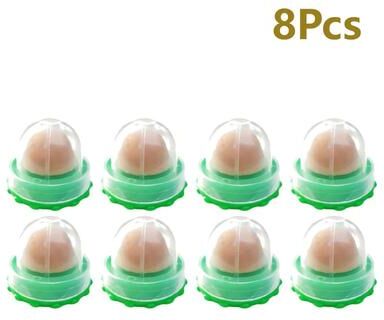
Inspired Living Catnip Energy Ball Lick Treat For Cats Hydration & Wellness Snack 8pcsEvery lick brings a little more joy to your cats day. This catnip lick treat is designed to keep curious cats engaged while encouraging healthy hydration and daily enrichment. Made with catnip and fish gelatin, it delivers a tasty reward that...23,97 $*Shipping: 0,00 $Secure redirect to the provider
-
Which fission products are produced during the fission of uranium-235?
The fission of uranium-235 produces a variety of fission products, including isotopes of elements such as xenon, strontium, cesium, iodine, and barium. These fission products are typically radioactive and can emit harmful radiation. The specific isotopes and quantities of fission products produced depend on the conditions of the fission reaction, such as the energy of the neutron that initiates the fission and the presence of other materials in the reactor. **
-
What happens to the released energy in fusion and fission?
In fusion reactions, the released energy is in the form of high-energy photons (gamma rays) and kinetic energy of the particles involved in the reaction. This energy is released when lighter nuclei combine to form a heavier nucleus. In fission reactions, the released energy is in the form of kinetic energy of the fission fragments and neutrons, as well as gamma rays. This energy is released when a heavy nucleus splits into lighter nuclei. The released energy in both fusion and fission reactions can be harnessed to generate electricity in nuclear power plants. **
-
What happens to the released energy in nuclear fission and fusion?
In nuclear fission, the released energy comes from the splitting of heavy atomic nuclei into smaller fragments. This energy is released in the form of kinetic energy of the fission products, as well as in the form of gamma rays and neutrons. In nuclear fusion, the released energy comes from the combining of light atomic nuclei to form a heavier nucleus. This energy is released in the form of kinetic energy of the fusion products, as well as in the form of high-energy neutrons and gamma rays. Both fission and fusion reactions release a large amount of energy, which can be harnessed for various applications. **
-
How does energy production through nuclear fission differ from coal combustion?
Energy production through nuclear fission differs from coal combustion in several ways. First, nuclear fission involves the splitting of atoms to release energy, while coal combustion involves burning coal to release energy. Second, nuclear fission produces a much larger amount of energy per unit of fuel compared to coal combustion. Third, nuclear fission does not produce greenhouse gas emissions, while coal combustion releases carbon dioxide and other pollutants into the atmosphere. Finally, the waste produced from nuclear fission is highly radioactive and requires special handling and disposal, whereas coal combustion produces ash and other pollutants that also require proper disposal. **
* All prices are inclusive of VAT and, if applicable, plus shipping costs. The offer information is based on the details provided by the respective shop and is updated through automated processes. Real-time updates do not occur, so deviations can occur in individual cases. ** Note: Parts of this content were created by AI.