Buy qigongshop.com ?
We are moving the project
qigongshop.com .
Are you interested in purchasing the domain
qigongshop.com ?
domain@kv-gmbh.de · 0541-91531010
Buy qigongshop.com ?
What is the radiation and heat balance?
Radiation and heat balance refers to the equilibrium between the incoming solar radiation and the outgoing thermal radiation from the Earth's surface and atmosphere. The Earth receives energy from the sun in the form of solar radiation, which is absorbed by the Earth's surface and then re-emitted as thermal radiation. This balance is crucial for maintaining the Earth's temperature and climate. If there is an imbalance, such as an increase in greenhouse gases trapping more heat in the atmosphere, it can lead to global warming and climate change. Understanding and monitoring the radiation and heat balance is essential for predicting and mitigating the impacts of climate change. **
How energy-efficient are heat pumps?
Heat pumps are considered to be highly energy-efficient because they transfer heat from one location to another instead of generating heat. This process requires much less energy compared to traditional heating systems that rely on burning fossil fuels. In fact, heat pumps can be up to 300% more energy-efficient than other heating systems, making them a cost-effective and environmentally friendly option for heating and cooling homes. Additionally, advancements in technology have made heat pumps even more efficient in recent years, further reducing energy consumption and operating costs. **

Similar search terms for Heat
Top-Angebote
Products related to Heat:


-
Does solar energy work through heat?
Solar energy can be harnessed through both heat and light. Solar thermal systems use the heat from the sun to generate electricity or heat water, while photovoltaic systems convert sunlight directly into electricity. So, while solar energy can work through heat, it can also be converted into electricity through other means. **
-
How energy efficient are heat pumps?
Heat pumps are known for their high energy efficiency, as they can provide up to three times more heating or cooling energy than the electrical energy they consume. This is because they transfer heat from the air, ground, or water, rather than generating heat through combustion like traditional heating systems. By using renewable energy sources for heat transfer, heat pumps can significantly reduce energy consumption and lower utility bills. Additionally, advancements in technology have made heat pumps even more efficient in recent years, making them a popular choice for environmentally conscious homeowners. **
-
How can one heat energy efficiently?
One can heat energy efficiently by using energy-efficient appliances and equipment, such as high-efficiency furnaces or heat pumps. Proper insulation and sealing of windows and doors can also help retain heat and reduce energy waste. Additionally, using programmable thermostats to control the temperature based on occupancy and time of day can help save energy and reduce heating costs. Regular maintenance of heating systems is also important to ensure they are running efficiently. **
-
Is it energy-intensive to heat water?
Yes, heating water is energy-intensive because it requires a significant amount of energy to raise the temperature of water. The amount of energy needed depends on the initial temperature of the water and the desired temperature. Water has a high specific heat capacity, meaning it requires more energy to heat up compared to other substances. Therefore, heating water can contribute to high energy consumption in households and industries. **

How does heat energy arise from food?
Heat energy arises from food through the process of metabolism. When we consume food, our body breaks it down into smaller molecules through digestion. These molecules are then converted into energy through a series of chemical reactions in our cells, releasing heat as a byproduct. This heat energy is used to maintain our body temperature, support bodily functions, and fuel physical activity. **
How can one heat the room with energy?
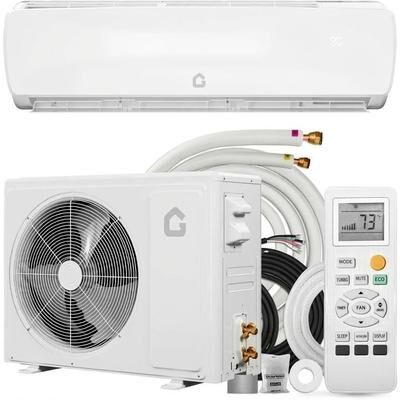
One can heat a room with energy by using a variety of methods. One common way is to use a heating system that runs on electricity, natural gas, or oil. This can include electric heaters, central heating systems, or radiators. Another option is to use renewable energy sources such as solar panels or geothermal heat pumps to generate heat for the room. Additionally, one can also use energy-efficient insulation and windows to retain heat in the room, reducing the need for additional energy to heat the space. **
Top-Angebote
Products related to Heat:
-
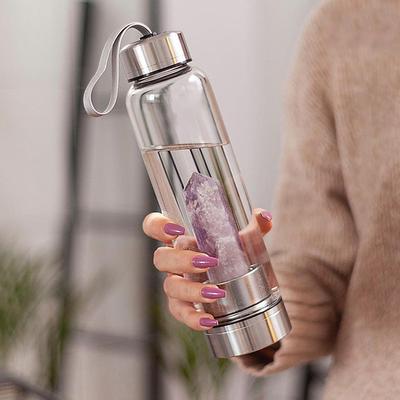
KitchenCuration Healing Quartz Crystal Water Bottle For Wellness & Energy Balance FluoriteRefresh your daily routine with a beautifully designed crystal water bottle that combines mindful living with elegant style. Crafted for wellness enthusiasts, yoga lovers, and anyone seeking a calming hydration experience, this bottle features a...49,97 $*Shipping: 0,00 $Secure redirect to the provider
-
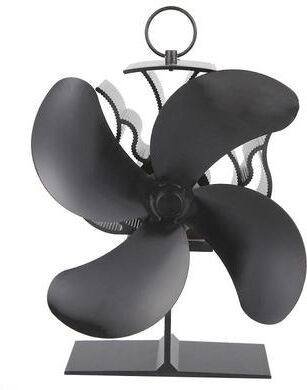
Inspired Deals Heat Powered Stove Fan For Wood Burning Fireplace Thermal Fireplace Fan Energy Saving Silent Heat Circulator Heat Powered Stove Fan For Wood Burning Fireplace Thermal Fireplace Fan Energy Saving Silent Heat CirculatorTransform your fireplace into a more comfortable and efficient heat source with this heat powered stove fan. Designed for wood, coal, and pellet stoves, it automatically circulates warm air throughout the room without batteries or electricity. Its...99,97 $*Shipping: 0,00 $Secure redirect to the provider
-
What is the radiation and heat balance?
Radiation and heat balance refers to the equilibrium between the incoming solar radiation and the outgoing thermal radiation from the Earth's surface and atmosphere. The Earth receives energy from the sun in the form of solar radiation, which is absorbed by the Earth's surface and then re-emitted as thermal radiation. This balance is crucial for maintaining the Earth's temperature and climate. If there is an imbalance, such as an increase in greenhouse gases trapping more heat in the atmosphere, it can lead to global warming and climate change. Understanding and monitoring the radiation and heat balance is essential for predicting and mitigating the impacts of climate change. **
-
How energy-efficient are heat pumps?
Heat pumps are considered to be highly energy-efficient because they transfer heat from one location to another instead of generating heat. This process requires much less energy compared to traditional heating systems that rely on burning fossil fuels. In fact, heat pumps can be up to 300% more energy-efficient than other heating systems, making them a cost-effective and environmentally friendly option for heating and cooling homes. Additionally, advancements in technology have made heat pumps even more efficient in recent years, further reducing energy consumption and operating costs. **
-
Does solar energy work through heat?
Solar energy can be harnessed through both heat and light. Solar thermal systems use the heat from the sun to generate electricity or heat water, while photovoltaic systems convert sunlight directly into electricity. So, while solar energy can work through heat, it can also be converted into electricity through other means. **
-
How energy efficient are heat pumps?
Heat pumps are known for their high energy efficiency, as they can provide up to three times more heating or cooling energy than the electrical energy they consume. This is because they transfer heat from the air, ground, or water, rather than generating heat through combustion like traditional heating systems. By using renewable energy sources for heat transfer, heat pumps can significantly reduce energy consumption and lower utility bills. Additionally, advancements in technology have made heat pumps even more efficient in recent years, making them a popular choice for environmentally conscious homeowners. **
Similar search terms for Heat
-
KitchenCuration Healing Quartz Crystal Water Bottle For Wellness & Energy Balance Clear QuartzRefresh your daily routine with a beautifully designed crystal water bottle that combines mindful living with elegant style. Crafted for wellness enthusiasts, yoga lovers, and anyone seeking a calming hydration experience, this bottle features a...49,97 $*Shipping: 0,00 $Secure redirect to the provider
-
KitchenCuration Healing Quartz Crystal Water Bottle For Wellness & Energy Balance Rose QuartzRefresh your daily routine with a beautifully designed crystal water bottle that combines mindful living with elegant style. Crafted for wellness enthusiasts, yoga lovers, and anyone seeking a calming hydration experience, this bottle features a...49,97 $*Shipping: 0,00 $Secure redirect to the provider
-
How can one heat energy efficiently?
One can heat energy efficiently by using energy-efficient appliances and equipment, such as high-efficiency furnaces or heat pumps. Proper insulation and sealing of windows and doors can also help retain heat and reduce energy waste. Additionally, using programmable thermostats to control the temperature based on occupancy and time of day can help save energy and reduce heating costs. Regular maintenance of heating systems is also important to ensure they are running efficiently. **
-
Is it energy-intensive to heat water?
Yes, heating water is energy-intensive because it requires a significant amount of energy to raise the temperature of water. The amount of energy needed depends on the initial temperature of the water and the desired temperature. Water has a high specific heat capacity, meaning it requires more energy to heat up compared to other substances. Therefore, heating water can contribute to high energy consumption in households and industries. **
-
How does heat energy arise from food?
Heat energy arises from food through the process of metabolism. When we consume food, our body breaks it down into smaller molecules through digestion. These molecules are then converted into energy through a series of chemical reactions in our cells, releasing heat as a byproduct. This heat energy is used to maintain our body temperature, support bodily functions, and fuel physical activity. **
-
How can one heat the room with energy?
One can heat a room with energy by using a variety of methods. One common way is to use a heating system that runs on electricity, natural gas, or oil. This can include electric heaters, central heating systems, or radiators. Another option is to use renewable energy sources such as solar panels or geothermal heat pumps to generate heat for the room. Additionally, one can also use energy-efficient insulation and windows to retain heat in the room, reducing the need for additional energy to heat the space. **
* All prices are inclusive of VAT and, if applicable, plus shipping costs. The offer information is based on the details provided by the respective shop and is updated through automated processes. Real-time updates do not occur, so deviations can occur in individual cases. ** Note: Parts of this content were created by AI.