Buy qigongshop.com ?
We are moving the project
qigongshop.com .
Are you interested in purchasing the domain
qigongshop.com ?
domain@kv-gmbh.de · 0541-91531010
Buy qigongshop.com ?
What is the energy balance in an elastic collision?
In an elastic collision, the total kinetic energy of the system is conserved. This means that the sum of the kinetic energies of the objects before the collision is equal to the sum of the kinetic energies after the collision. The energy balance in an elastic collision ensures that no energy is lost or gained during the collision, and the total energy of the system remains constant. This conservation of energy allows for the calculation of the final velocities of the objects involved in the collision. **
What is kinetic, potential, and elastic energy?
Kinetic energy is the energy an object possesses due to its motion. Potential energy is the energy stored in an object based on its position or state, such as gravitational potential energy or chemical potential energy. Elastic energy is a type of potential energy stored in objects that can be stretched or compressed, such as a spring or a rubber band. When these objects are stretched or compressed, they store elastic potential energy that can be released when they return to their original shape. **


Similar search terms for Elastic
Top-Angebote
Products related to Elastic:
-
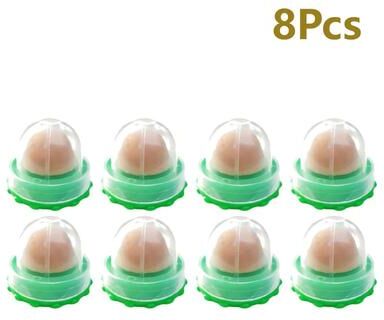
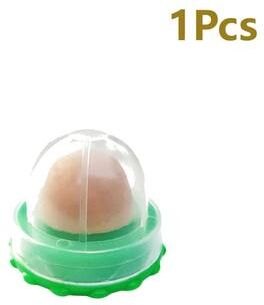
Inspired Living Catnip Energy Ball Lick Treat For Cats Hydration & Wellness Snack 8pcsEvery lick brings a little more joy to your cats day. This catnip lick treat is designed to keep curious cats engaged while encouraging healthy hydration and daily enrichment. Made with catnip and fish gelatin, it delivers a tasty reward that...23,97 $*Shipping: 0,00 $Secure redirect to the provider
-
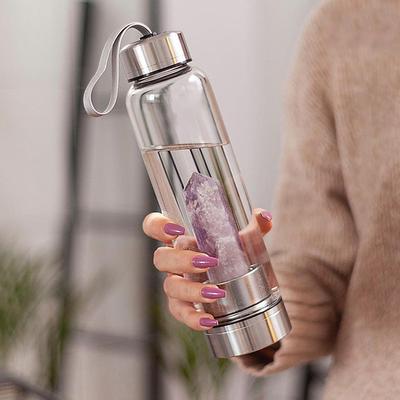
KitchenCuration Healing Quartz Crystal Water Bottle For Wellness & Energy Balance Clear QuartzRefresh your daily routine with a beautifully designed crystal water bottle that combines mindful living with elegant style. Crafted for wellness enthusiasts, yoga lovers, and anyone seeking a calming hydration experience, this bottle features a...49,97 $*Shipping: 0,00 $Secure redirect to the provider
-
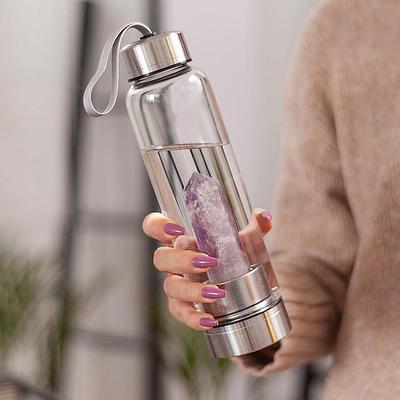
KitchenCuration Healing Quartz Crystal Water Bottle For Wellness & Energy Balance Rose QuartzRefresh your daily routine with a beautifully designed crystal water bottle that combines mindful living with elegant style. Crafted for wellness enthusiasts, yoga lovers, and anyone seeking a calming hydration experience, this bottle features a...49,97 $*Shipping: 0,00 $Secure redirect to the provider
-
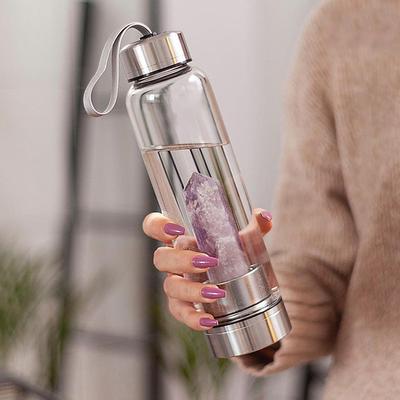
KitchenCuration Healing Quartz Crystal Water Bottle For Wellness & Energy Balance Amethyst PurpleRefresh your daily routine with a beautifully designed crystal water bottle that combines mindful living with elegant style. Crafted for wellness enthusiasts, yoga lovers, and anyone seeking a calming hydration experience, this bottle features a...53,97 $*Shipping: 0,00 $Secure redirect to the provider

-
Do deformable elastic bodies always have chemical energy?
Deformable elastic bodies do not always have chemical energy. The presence of chemical energy in a deformable elastic body depends on the specific material and its composition. For example, rubber, a common deformable elastic material, does not have chemical energy stored within it. However, certain materials like certain polymers or composites may have chemical energy stored within their structure, such as in the form of potential energy from chemical bonds. Therefore, the presence of chemical energy in a deformable elastic body is dependent on the specific material and its composition. **
-
Is viscose elastic?
No, viscose is not elastic. Viscose is a type of rayon fabric made from natural fibers such as wood pulp. It is known for its soft and smooth texture, but it does not have the stretch or elasticity that is characteristic of elastic materials like spandex or elastane. Viscose can drape well and has good moisture-wicking properties, but it does not have the ability to stretch and bounce back like elastic fabrics do. **
-
Why can energy conservation be used in an elastic collision?
Energy conservation can be used in an elastic collision because in an elastic collision, kinetic energy is conserved. This means that the total kinetic energy of the system before the collision is equal to the total kinetic energy of the system after the collision. By applying the principle of energy conservation, we can analyze the motion of the objects involved in the collision and determine their velocities before and after the collision. This allows us to understand how the kinetic energy is transferred between the objects during the collision. **
-
Why are elastomers actually elastic?
Elastomers are actually elastic because of their unique molecular structure. They are made up of long, coiled polymer chains that can be stretched and then return to their original shape when the force is removed. This is due to the entropic elasticity of the polymer chains, which allows them to easily slide past each other and then spring back into place. Additionally, the presence of cross-links between the polymer chains provides additional strength and resilience, allowing elastomers to maintain their elasticity over many cycles of stretching and relaxing. **
Why can the conservation of energy be used in an elastic collision?
The conservation of energy can be used in an elastic collision because in an elastic collision, kinetic energy is conserved. This means that the total kinetic energy of the system before the collision is equal to the total kinetic energy of the system after the collision. Since energy is conserved in the system, the conservation of energy principle can be applied to analyze the motion and outcomes of the collision. This allows us to calculate the velocities of the objects involved in the collision before and after the interaction. **
Why does the energy conservation principle not apply to perfectly elastic collisions?
The energy conservation principle does not apply to perfectly elastic collisions because in these collisions, kinetic energy is conserved. This means that the total kinetic energy of the system before the collision is equal to the total kinetic energy after the collision. In other types of collisions, such as inelastic collisions, some of the kinetic energy is converted into other forms of energy, such as heat or sound. However, in perfectly elastic collisions, all of the kinetic energy is retained, so the energy conservation principle does not need to be applied. **
Top-Angebote
Products related to Elastic:
-
KitchenCuration Healing Quartz Crystal Water Bottle For Wellness & Energy Balance FluoriteRefresh your daily routine with a beautifully designed crystal water bottle that combines mindful living with elegant style. Crafted for wellness enthusiasts, yoga lovers, and anyone seeking a calming hydration experience, this bottle features a...49,97 $*Shipping: 0,00 $Secure redirect to the provider
-
Miku Smart Baby Monitor with Breathing and MovementMiku's Smart Baby Monitor tracks your baby's breathing, sound, motion, room temperature and humidity. This monitor works with your smartphone in real time to alert you of changes to your baby's vitals and nursery conditions. Smart Baby Monitor...399,00 $*Shipping: 0,00 $Secure redirect to the provider
-
Inspired Living Catnip Energy Ball Lick Treat For Cats Hydration & Wellness Snack 8pcsEvery lick brings a little more joy to your cats day. This catnip lick treat is designed to keep curious cats engaged while encouraging healthy hydration and daily enrichment. Made with catnip and fish gelatin, it delivers a tasty reward that...23,97 $*Shipping: 0,00 $Secure redirect to the provider
-
KitchenCuration Healing Quartz Crystal Water Bottle For Wellness & Energy Balance Clear QuartzRefresh your daily routine with a beautifully designed crystal water bottle that combines mindful living with elegant style. Crafted for wellness enthusiasts, yoga lovers, and anyone seeking a calming hydration experience, this bottle features a...49,97 $*Shipping: 0,00 $Secure redirect to the provider
-
What is the energy balance in an elastic collision?
In an elastic collision, the total kinetic energy of the system is conserved. This means that the sum of the kinetic energies of the objects before the collision is equal to the sum of the kinetic energies after the collision. The energy balance in an elastic collision ensures that no energy is lost or gained during the collision, and the total energy of the system remains constant. This conservation of energy allows for the calculation of the final velocities of the objects involved in the collision. **
-
What is kinetic, potential, and elastic energy?
Kinetic energy is the energy an object possesses due to its motion. Potential energy is the energy stored in an object based on its position or state, such as gravitational potential energy or chemical potential energy. Elastic energy is a type of potential energy stored in objects that can be stretched or compressed, such as a spring or a rubber band. When these objects are stretched or compressed, they store elastic potential energy that can be released when they return to their original shape. **
-
Do deformable elastic bodies always have chemical energy?
Deformable elastic bodies do not always have chemical energy. The presence of chemical energy in a deformable elastic body depends on the specific material and its composition. For example, rubber, a common deformable elastic material, does not have chemical energy stored within it. However, certain materials like certain polymers or composites may have chemical energy stored within their structure, such as in the form of potential energy from chemical bonds. Therefore, the presence of chemical energy in a deformable elastic body is dependent on the specific material and its composition. **
-
Is viscose elastic?
No, viscose is not elastic. Viscose is a type of rayon fabric made from natural fibers such as wood pulp. It is known for its soft and smooth texture, but it does not have the stretch or elasticity that is characteristic of elastic materials like spandex or elastane. Viscose can drape well and has good moisture-wicking properties, but it does not have the ability to stretch and bounce back like elastic fabrics do. **
Similar search terms for Elastic
-
KitchenCuration Healing Quartz Crystal Water Bottle For Wellness & Energy Balance Rose QuartzRefresh your daily routine with a beautifully designed crystal water bottle that combines mindful living with elegant style. Crafted for wellness enthusiasts, yoga lovers, and anyone seeking a calming hydration experience, this bottle features a...49,97 $*Shipping: 0,00 $Secure redirect to the provider
-
KitchenCuration Healing Quartz Crystal Water Bottle For Wellness & Energy Balance Amethyst PurpleRefresh your daily routine with a beautifully designed crystal water bottle that combines mindful living with elegant style. Crafted for wellness enthusiasts, yoga lovers, and anyone seeking a calming hydration experience, this bottle features a...53,97 $*Shipping: 0,00 $Secure redirect to the provider
-
KitchenCuration Healing Quartz Crystal Water Bottle For Wellness & Energy Balance Smoky QuartzRefresh your daily routine with a beautifully designed crystal water bottle that combines mindful living with elegant style. Crafted for wellness enthusiasts, yoga lovers, and anyone seeking a calming hydration experience, this bottle features a...49,97 $*Shipping: 0,00 $Secure redirect to the provider
-
Inspired Living Catnip Energy Ball Lick Treat For Cats Hydration & Wellness Snack 1pcEvery lick brings a little more joy to your cats day. This catnip lick treat is designed to keep curious cats engaged while encouraging healthy hydration and daily enrichment. Made with catnip and fish gelatin, it delivers a tasty reward that...23,97 $*Shipping: 0,00 $Secure redirect to the provider
-
Why can energy conservation be used in an elastic collision?
Energy conservation can be used in an elastic collision because in an elastic collision, kinetic energy is conserved. This means that the total kinetic energy of the system before the collision is equal to the total kinetic energy of the system after the collision. By applying the principle of energy conservation, we can analyze the motion of the objects involved in the collision and determine their velocities before and after the collision. This allows us to understand how the kinetic energy is transferred between the objects during the collision. **
-
Why are elastomers actually elastic?
Elastomers are actually elastic because of their unique molecular structure. They are made up of long, coiled polymer chains that can be stretched and then return to their original shape when the force is removed. This is due to the entropic elasticity of the polymer chains, which allows them to easily slide past each other and then spring back into place. Additionally, the presence of cross-links between the polymer chains provides additional strength and resilience, allowing elastomers to maintain their elasticity over many cycles of stretching and relaxing. **
-
Why can the conservation of energy be used in an elastic collision?
The conservation of energy can be used in an elastic collision because in an elastic collision, kinetic energy is conserved. This means that the total kinetic energy of the system before the collision is equal to the total kinetic energy of the system after the collision. Since energy is conserved in the system, the conservation of energy principle can be applied to analyze the motion and outcomes of the collision. This allows us to calculate the velocities of the objects involved in the collision before and after the interaction. **
-
Why does the energy conservation principle not apply to perfectly elastic collisions?
The energy conservation principle does not apply to perfectly elastic collisions because in these collisions, kinetic energy is conserved. This means that the total kinetic energy of the system before the collision is equal to the total kinetic energy after the collision. In other types of collisions, such as inelastic collisions, some of the kinetic energy is converted into other forms of energy, such as heat or sound. However, in perfectly elastic collisions, all of the kinetic energy is retained, so the energy conservation principle does not need to be applied. **
* All prices are inclusive of VAT and, if applicable, plus shipping costs. The offer information is based on the details provided by the respective shop and is updated through automated processes. Real-time updates do not occur, so deviations can occur in individual cases. ** Note: Parts of this content were created by AI.