Buy qigongshop.com ?
We are moving the project
qigongshop.com .
Are you interested in purchasing the domain
qigongshop.com ?
domain@kv-gmbh.de · 0541-91531010
Buy qigongshop.com ?
How can I create gear models in LEGO Digital Designer?
To create gear models in LEGO Digital Designer, you can use the various gear pieces available in the software's parts library. Start by selecting the gear pieces you want to use and then place them on the virtual building grid to create your desired gear system. You can experiment with different gear sizes and configurations to achieve the desired functionality in your model. Additionally, you can use other LEGO elements such as axles and connectors to enhance the design and functionality of your gear system. **
How do you calculate the movement of a gear?
To calculate the movement of a gear, you can use the formula: Speed = (2 * π * r * N) / 60, where r is the radius of the gear and N is the number of teeth on the gear. This formula gives you the linear speed of the gear in meters per second. You can also calculate the rotational speed of the gear using the formula: Rotational speed = (60 * V) / (2 * π * r), where V is the linear speed of the gear. These formulas help you determine the movement and speed of a gear in a mechanical system. **


Similar search terms for Klutz-LEGO-Gear-Bots
Top-Angebote
Products related to Klutz-LEGO-Gear-Bots:
-
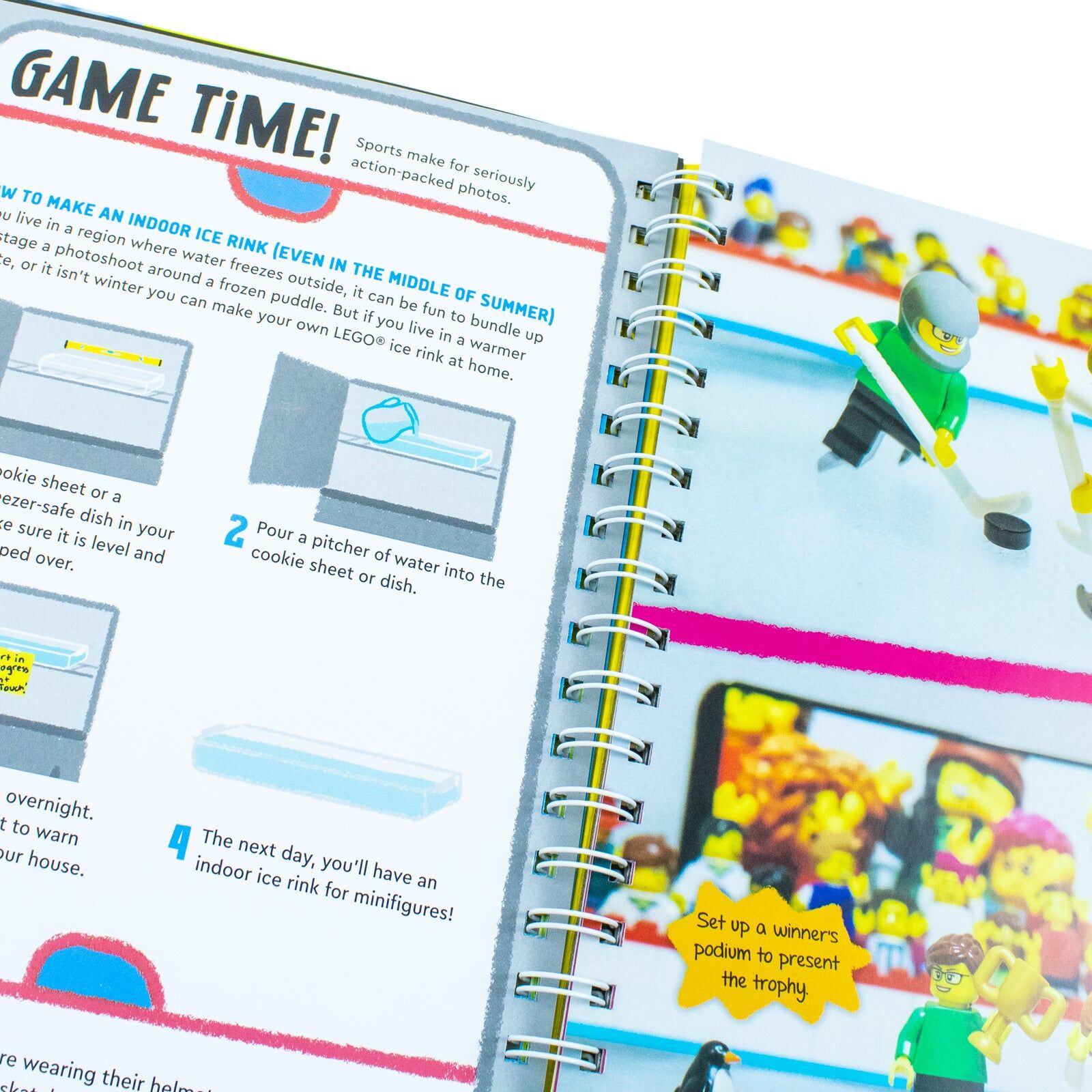
LEGO Minifigure Photography (Klutz, LEGO Book)Learn how to take great photos with LEGO minifigures! Become a famous photographer with LEGO minifigures as your star models Learn tricks of perspective, scale, angles and lighting to make the minifigures world come to life Includes two LEGO minifigures, LEGO props, printed backgrounds and punch-outs, plus a full-color 64-page book with stunning photo inspiration and how-to Two included minifigures are ready to strike a pose, with 30 LEGO props and accessories, including: wigs, sports equipment, animals, and other odds and ends. Six oversized backgrounds will help you frame your photos so you get great-looking results right away. Chock-full of step-by-step photos, LEGO fans can make the most out of their own LEGO collections and imagine creative scenarios for their minifigures, whether they're playing a game of ice hockey in the refrigerator, exploring their backyard, or going on an international adventure. Lessons in the book are broad enough so to not depend on a particular technology. These are fun tricks and illusions you can create with any camera, including forced perspective to make your LEGO minifigures look life-sized.6,99 £*Shipping: 2,99 £Secure redirect to the provider
-
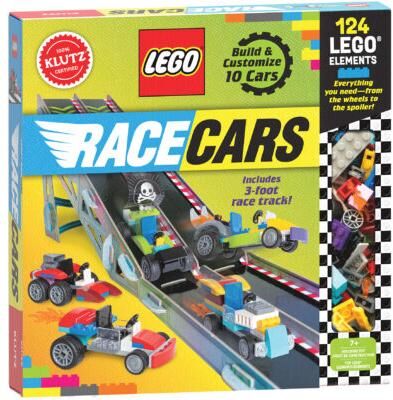
Klutz LEGO: Race CarsThe ultimate kit for LEGO fans and car enthusiasts alike! Assemble a high-quality chipboard track to set the scene for your LEGO derby, then build 10 LEGO race cars with step-by-step instructions and pit them against each other. Who will...29,99 $*Shipping: 0,00 $Secure redirect to the provider
-
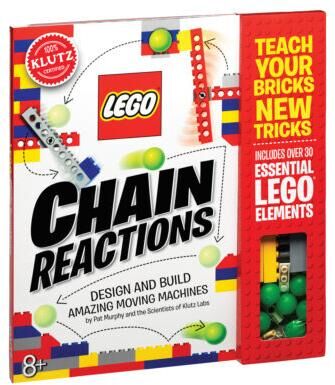
Klutz: LEGO Chain ReactionsFascinate your friends by completing an ordinary task in an extraordinary way. Learn to build 10 LEGO machines that can swing, pivot, roll, lift, and drop. Then connect, rearrange, and experiment with the machines to create a chain reaction. With...29,99 $*Shipping: 0,00 $Secure redirect to the provider
-
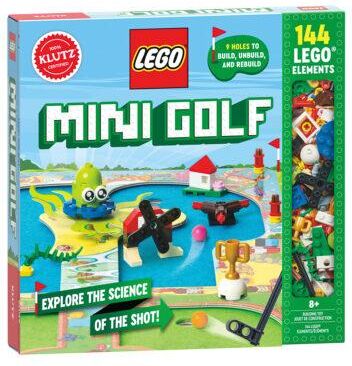
Klutz: LEGO Mini GolfIt's a hole-in-one lotta fun! Learn about the science of the golf swing with a whimsical desktop-sized mini golf course. With everything you need included in this kit, you'll engineer a mini golf course hole, play through with the included mini...24,99 $*Shipping: 0,00 $Secure redirect to the provider
-
How do you calculate the movement of a gear on a rack?
To calculate the movement of a gear on a rack, you can use the formula: distance traveled = number of teeth on the gear * pitch of the rack. The pitch of the rack refers to the distance between each tooth on the rack. By multiplying the number of teeth on the gear by the pitch of the rack, you can determine the distance the gear will travel as it engages with the rack. This calculation is essential for designing and engineering systems that involve gears and racks, such as in machinery and mechanical systems. **
-
How much energy is consumed at full throttle in first gear?
The amount of energy consumed at full throttle in first gear depends on the specific vehicle and its engine specifications. Generally, first gear requires the most energy to get the vehicle moving from a standstill, as it is designed to provide maximum torque for acceleration. This means that the engine will consume a significant amount of fuel or electricity to generate the power needed to overcome inertia and propel the vehicle forward. However, the exact amount of energy consumed will vary based on factors such as the vehicle's weight, engine size, and efficiency. **
-
What can I do if my Sachs 3-speed hub gear is extremely tight and automatically shifts to a higher gear with every left movement?
If your Sachs 3-speed hub gear is extremely tight and automatically shifts to a higher gear with every left movement, it may be a sign that the internal mechanism is not functioning properly. First, try lubricating the hub gear to see if that helps loosen it up. If that doesn't work, it may be necessary to disassemble the hub gear and inspect the internal components for any damage or wear. If you are not comfortable doing this yourself, it's best to take it to a professional bike mechanic for further inspection and repair. **

Top-Angebote
Products related to Klutz-LEGO-Gear-Bots:
-
Klutz LEGO: Gear BotsKinetic sculptures, or automata, are mechanically engineering toys that move when you crank the handle on the side. They move through a series of axles, cams, and cranks that work like the pistons in an engine. Each model includes a papercraft...24,99 $*Shipping: 0,00 $Secure redirect to the provider
-
Klutz: LEGO GadgetsThis activity kit will have you building 11 machines including a gravity powered car and a wacky boxing robot. The fun doesn't stop once you've completed all of the projects in the book - open-ended prompts will inspire you to continue experimenting...24,99 $*Shipping: 0,00 $Secure redirect to the provider
-
LEGO Minifigure Photography (Klutz, LEGO Book)Learn how to take great photos with LEGO minifigures! Become a famous photographer with LEGO minifigures as your star models Learn tricks of perspective, scale, angles and lighting to make the minifigures world come to life Includes two LEGO minifigures, LEGO props, printed backgrounds and punch-outs, plus a full-color 64-page book with stunning photo inspiration and how-to Two included minifigures are ready to strike a pose, with 30 LEGO props and accessories, including: wigs, sports equipment, animals, and other odds and ends. Six oversized backgrounds will help you frame your photos so you get great-looking results right away. Chock-full of step-by-step photos, LEGO fans can make the most out of their own LEGO collections and imagine creative scenarios for their minifigures, whether they're playing a game of ice hockey in the refrigerator, exploring their backyard, or going on an international adventure. Lessons in the book are broad enough so to not depend on a particular technology. These are fun tricks and illusions you can create with any camera, including forced perspective to make your LEGO minifigures look life-sized.6,99 £*Shipping: 2,99 £Secure redirect to the provider
-
Klutz LEGO: Race CarsThe ultimate kit for LEGO fans and car enthusiasts alike! Assemble a high-quality chipboard track to set the scene for your LEGO derby, then build 10 LEGO race cars with step-by-step instructions and pit them against each other. Who will...29,99 $*Shipping: 0,00 $Secure redirect to the provider
-
How can I create gear models in LEGO Digital Designer?
To create gear models in LEGO Digital Designer, you can use the various gear pieces available in the software's parts library. Start by selecting the gear pieces you want to use and then place them on the virtual building grid to create your desired gear system. You can experiment with different gear sizes and configurations to achieve the desired functionality in your model. Additionally, you can use other LEGO elements such as axles and connectors to enhance the design and functionality of your gear system. **
-
How do you calculate the movement of a gear?
To calculate the movement of a gear, you can use the formula: Speed = (2 * π * r * N) / 60, where r is the radius of the gear and N is the number of teeth on the gear. This formula gives you the linear speed of the gear in meters per second. You can also calculate the rotational speed of the gear using the formula: Rotational speed = (60 * V) / (2 * π * r), where V is the linear speed of the gear. These formulas help you determine the movement and speed of a gear in a mechanical system. **
-
How do you calculate the movement of a gear on a rack?
To calculate the movement of a gear on a rack, you can use the formula: distance traveled = number of teeth on the gear * pitch of the rack. The pitch of the rack refers to the distance between each tooth on the rack. By multiplying the number of teeth on the gear by the pitch of the rack, you can determine the distance the gear will travel as it engages with the rack. This calculation is essential for designing and engineering systems that involve gears and racks, such as in machinery and mechanical systems. **
-
How much energy is consumed at full throttle in first gear?
The amount of energy consumed at full throttle in first gear depends on the specific vehicle and its engine specifications. Generally, first gear requires the most energy to get the vehicle moving from a standstill, as it is designed to provide maximum torque for acceleration. This means that the engine will consume a significant amount of fuel or electricity to generate the power needed to overcome inertia and propel the vehicle forward. However, the exact amount of energy consumed will vary based on factors such as the vehicle's weight, engine size, and efficiency. **
Similar search terms for Klutz-LEGO-Gear-Bots
-
Klutz: LEGO Chain ReactionsFascinate your friends by completing an ordinary task in an extraordinary way. Learn to build 10 LEGO machines that can swing, pivot, roll, lift, and drop. Then connect, rearrange, and experiment with the machines to create a chain reaction. With...29,99 $*Shipping: 0,00 $Secure redirect to the provider
-
Klutz: LEGO Mini GolfIt's a hole-in-one lotta fun! Learn about the science of the golf swing with a whimsical desktop-sized mini golf course. With everything you need included in this kit, you'll engineer a mini golf course hole, play through with the included mini...24,99 $*Shipping: 0,00 $Secure redirect to the provider
-
Klutz: LEGO Gravity DropAssemble a high-quality foot-and-a-half tall chipboard gravity drop tower full of LEGO contraptions. Unleash a pack of 6 wood balls from the starting gate and watch them race through a maze of twists and turns, sliding down ramps, flipping spinners,...29,99 $*Shipping: 0,00 $Secure redirect to the provider
-
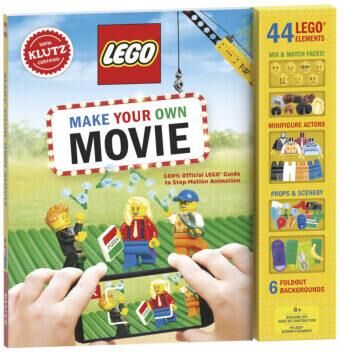
Klutz: LEGO Make Your Own Movie: 100% Official LEGO Guide to Stop-Motion Animation"Lights . . . camera . . . action! Bring your LEGO minifigures to life with this beginner-friendly guide to stop-motion animation. Ten ""Mini Movies"" walk you through using your phone, tablet, or computer to make short, funny clips with step-by-step..."24,99 $*Shipping: 0,00 $Secure redirect to the provider
-
What can I do if my Sachs 3-speed hub gear is extremely tight and automatically shifts to a higher gear with every left movement?
If your Sachs 3-speed hub gear is extremely tight and automatically shifts to a higher gear with every left movement, it may be a sign that the internal mechanism is not functioning properly. First, try lubricating the hub gear to see if that helps loosen it up. If that doesn't work, it may be necessary to disassemble the hub gear and inspect the internal components for any damage or wear. If you are not comfortable doing this yourself, it's best to take it to a professional bike mechanic for further inspection and repair. **
* All prices are inclusive of VAT and, if applicable, plus shipping costs. The offer information is based on the details provided by the respective shop and is updated through automated processes. Real-time updates do not occur, so deviations can occur in individual cases. ** Note: Parts of this content were created by AI.