Buy qigongshop.com ?
We are moving the project
qigongshop.com .
Are you interested in purchasing the domain
qigongshop.com ?
domain@kv-gmbh.de · 0541-91531010
Buy qigongshop.com ?
What is resonance energy in chemistry?
Resonance energy in chemistry refers to the stabilization of a molecule through the delocalization of electrons. It occurs when a molecule can be represented by multiple Lewis structures, known as resonance structures, that differ only in the arrangement of electrons. The actual structure of the molecule is a hybrid of these resonance structures, resulting in a more stable molecule. Resonance energy is the difference in energy between the most stable resonance structure and the actual hybrid structure. **
What is ionization energy in chemistry?
Ionization energy in chemistry is the amount of energy required to remove an electron from an atom or ion in the gaseous state. It is a measure of how tightly an electron is held by an atom. The higher the ionization energy, the more difficult it is to remove an electron from the atom, indicating a stronger attraction between the electron and the nucleus. Ionization energy is an important concept in understanding the reactivity and chemical behavior of elements. **


Similar search terms for Chemistry
Top-Angebote
Products related to Chemistry:
-
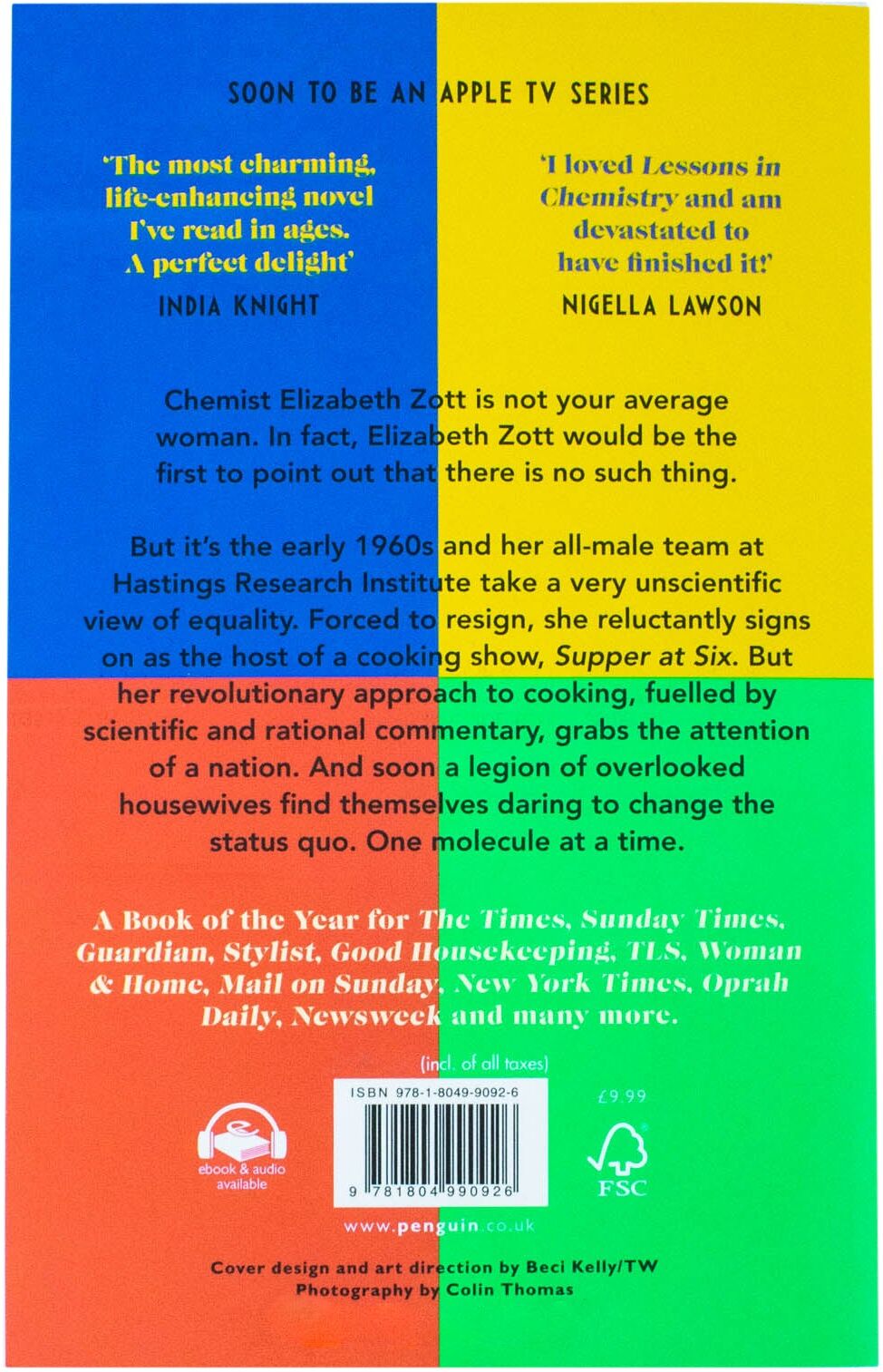
Penguin Lessons in Chemistry: The multi-million copy bestseller by Bonnie GarmusYour ability to change everything - including yourself - starts hereChemist Elizabeth Zott is not your average woman. In fact, Elizabeth Zott would be the first to point out that there is no such thing.But it's the early 1960s and her all-male team at Hastings Research Institute take a very unscientific view of equality. Forced to resign, she reluctantly signs on as the host of a cooking show, Supper at Six. But her revolutionary approach to cooking, fuelled by scientific and rational commentary, grabs the attention of a nation.Soon, a legion of overlooked housewives find themselves daring to change the status quo. One molecule at a time.5,99 £*Shipping: 2,99 £Secure redirect to the provider
-
CGP Books GCSE AQA Combined Science Revision Question Cards 3 Pack Set (Chemistry, Physics, Biology)To cut to the chase, there’s more to revision than just reading through study notes. If you really want to make sure you know GCSE Chemistry, Physics and Biology you’ll need to test yourself - and that’s where these CGP Revision Question Cards come in! There are 95 cards in the pack, covering every key Grade 9-1 AQA topic. Each one starts off with quick questions to warm you up, followed by harder questions to get your brain into top gear. Flip the card over and you’ll find full answers to each question, carefully written to help you understand everything you need to know. Along the way, we’ve packed in plenty of diagrams and expert revision tips, and there are even questions on Working Scientifically and Practical Skills. Amazing!21,99 £*Shipping: 2,99 £Secure redirect to the provider
-
CGP Books CGP GCSE 9-1 AQA Revision Question Cards 3 Books Collection Set (Biology, Physics, Chemistry)New 9-1 gcse chemistry, biology, physics collection 3 books set -aqa revision question cards. Description:- New 9-1 GCSE Chemistry AQA Revision Question Cards (CGP GCSE Chemistry 9-1 Revision) To cut to the chase, there’s more to revision than just reading through study notes. If you really want to make sure you know GCSE Chemistry, you’ll need to test yourself - and that’s where these CGP Revision Question Cards come in! There are 95 cards in the pack, covering every key Grade 9-1 AQA topic. Each one starts off with quick questions to warm you up, followed by harder questions to get your brain into top gear. Flip the card over and you’ll find full answers to each question, carefully written to help you understand everything you need to know. New 9-1 GCSE Physics AQA Revision Question Cards (CGP GCSE Physics 9-1 Revision) Reading over study notes doesn’t mean you’ll automatically remember everything - to really put your GCSE Physics knowledge to the test, try these superb CGP Revision Question Cards! There are 95 cards in the pack, covering every key Grade 9-1 AQA topic. Each one starts off with quick questions to warm you up, followed by harder questions to get your brain into top gear. Flip the card over and you’ll find full answers to each question, carefully written to help you understand everything you need to know. New 9-1 GCSE Biology AQA Revision Question Cards (CGP GCSE Biology 9-1 Revision) Let’s face it: you won’t learn much by just reading through your study notes. If you really want to make sure you know GCSE Biology, you’ll need to test yourself - and that’s where these CGP Revision Question Cards come in! There are 95 cards in the pack, covering every key Grade 9-1 AQA topic. Each one starts off with quick questions to warm you up, followed by harder questions to get your brain into top gear. Flip the card over and you’ll find full answers to each question, carefully written to help you understand everything you need to know.25,95 £*Shipping: 2,99 £Secure redirect to the provider
-
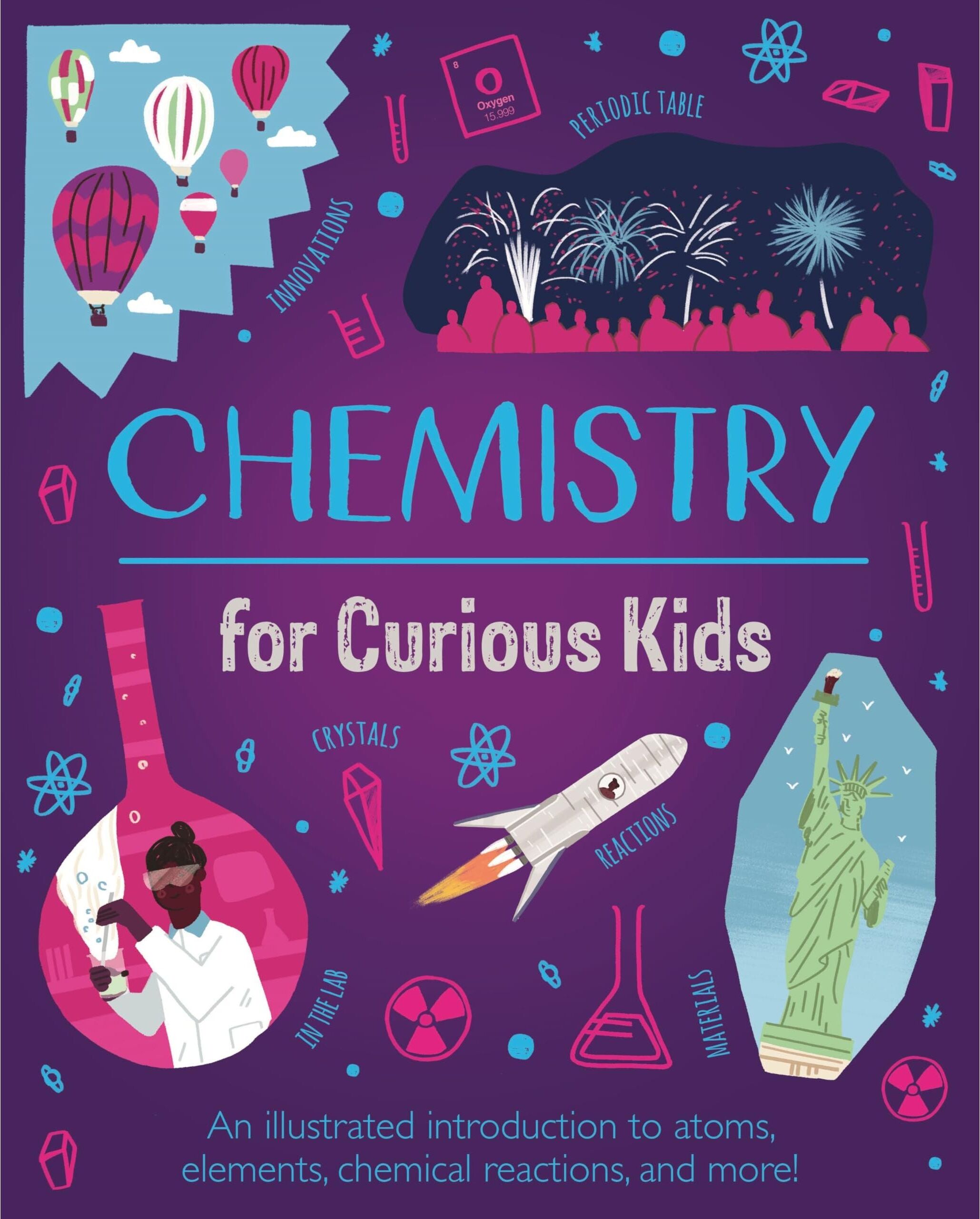
Arcturus Chemistry for Curious Kids: An Illustrated Introduction to Atoms, Elements, Chemical Reactions, and More! (Curious Kids, 2)Young readers can discover the wonders of chemistry with this accessible introduction, presented in a wonderful jacketed hardback format with full-colour illustrations. This inspirational book is packed with clear and engaging explanations of this fundamental topic, accompanied by beautiful illustrations by Alex Foster. Supporting STEM learning, this book is an ideal supplement to school education as it covers many core chemistry topics in an entertaining and easy-to-understand way. Big new concepts pop off the page thanks to vibrant diagrams and an engaging, energetic text. Kids will relish sharing them with friends and family! Young readers will love exploring exhilarating new ideas about: • Elements • Compounds • Molecules • Atoms • And much more! A great gift for readers aged 8-12.7,89 £*Shipping: 2,99 £Secure redirect to the provider


-
What is the atomic balance in chemistry?
Atomic balance in chemistry refers to the principle that the total number of each type of atom must be the same on both sides of a chemical equation. This ensures that mass is conserved during a chemical reaction. By balancing the number of atoms of each element on both sides of the equation, we can determine the correct stoichiometry of the reaction. This is achieved by adjusting the coefficients of the reactants and products in the chemical equation. **
-
How can I balance out my chemistry grade?
To balance out your chemistry grade, you can start by identifying the areas where you are struggling and seeking help from your teacher or a tutor. Make sure to stay organized and keep up with your assignments and readings. Practice regularly and review your notes to reinforce your understanding of the material. Additionally, consider forming a study group with classmates to collaborate and learn from each other. Finally, don't be afraid to ask for extra credit opportunities or additional assignments to improve your grade. **
-
How do you balance chemical equations in chemistry?
To balance a chemical equation in chemistry, you need to ensure that the number of atoms of each element is the same on both sides of the equation. Start by writing down the unbalanced equation and then use coefficients to adjust the number of each type of atom on both sides. You can start by balancing the most complex or abundant element and then work your way through the rest of the elements. It may take some trial and error, but the goal is to have the same number of each type of atom on both sides of the equation. **
-
Does high energy in chemistry mean unstable?
High energy in chemistry does not necessarily mean unstable. While high energy states can be associated with instability, such as in the case of highly reactive molecules or compounds, there are also examples of high energy molecules that are stable, such as certain polymers or energetic materials. The stability of a molecule is determined by a combination of factors, including its structure, bonding, and overall energy content. **


What is the chemistry energy level model?
The chemistry energy level model is a way of visualizing the energy levels of electrons within an atom. It is based on the idea that electrons can only exist in certain energy levels, or "shells," around the nucleus of an atom. These energy levels are represented by numbers (n=1, 2, 3, etc.) and are further divided into sublevels (s, p, d, f). The model helps to explain the behavior of electrons, including their ability to absorb and emit specific amounts of energy as they move between energy levels. This model is fundamental to understanding the behavior of atoms and the formation of chemical bonds. **
What is the activation energy in chemistry?
Activation energy in chemistry is the minimum amount of energy required for a chemical reaction to occur. It is the energy barrier that must be overcome for the reaction to proceed. This energy is needed to break the existing chemical bonds in the reactants and to initiate the formation of new bonds in the products. The activation energy can be thought of as the "push" needed to start a reaction, and it is an important factor in determining the rate of a chemical reaction. **
Top-Angebote
Products related to Chemistry:
-
Inspired Finds 3x3x3 Educational Magic Puzzle Cube STEM Math & Chemistry Learning Toy For Kids With Display Base chemistryTurn playtime into a fun learning adventure with the Educational Magic Puzzle Cube. This innovative 3x3x3 puzzle cube combines the excitement of problemsolving with the fundamentals of math, chemistry, and physics, making it both entertaining and...34,99 $*Shipping: 0,00 $Secure redirect to the provider
-
KitchenCuration Healing Quartz Crystal Water Bottle For Wellness & Energy Balance FluoriteRefresh your daily routine with a beautifully designed crystal water bottle that combines mindful living with elegant style. Crafted for wellness enthusiasts, yoga lovers, and anyone seeking a calming hydration experience, this bottle features a...49,97 $*Shipping: 0,00 $Secure redirect to the provider
-
Penguin Lessons in Chemistry: The multi-million copy bestseller by Bonnie GarmusYour ability to change everything - including yourself - starts hereChemist Elizabeth Zott is not your average woman. In fact, Elizabeth Zott would be the first to point out that there is no such thing.But it's the early 1960s and her all-male team at Hastings Research Institute take a very unscientific view of equality. Forced to resign, she reluctantly signs on as the host of a cooking show, Supper at Six. But her revolutionary approach to cooking, fuelled by scientific and rational commentary, grabs the attention of a nation.Soon, a legion of overlooked housewives find themselves daring to change the status quo. One molecule at a time.5,99 £*Shipping: 2,99 £Secure redirect to the provider
-
CGP Books GCSE AQA Combined Science Revision Question Cards 3 Pack Set (Chemistry, Physics, Biology)To cut to the chase, there’s more to revision than just reading through study notes. If you really want to make sure you know GCSE Chemistry, Physics and Biology you’ll need to test yourself - and that’s where these CGP Revision Question Cards come in! There are 95 cards in the pack, covering every key Grade 9-1 AQA topic. Each one starts off with quick questions to warm you up, followed by harder questions to get your brain into top gear. Flip the card over and you’ll find full answers to each question, carefully written to help you understand everything you need to know. Along the way, we’ve packed in plenty of diagrams and expert revision tips, and there are even questions on Working Scientifically and Practical Skills. Amazing!21,99 £*Shipping: 2,99 £Secure redirect to the provider
-
What is resonance energy in chemistry?
Resonance energy in chemistry refers to the stabilization of a molecule through the delocalization of electrons. It occurs when a molecule can be represented by multiple Lewis structures, known as resonance structures, that differ only in the arrangement of electrons. The actual structure of the molecule is a hybrid of these resonance structures, resulting in a more stable molecule. Resonance energy is the difference in energy between the most stable resonance structure and the actual hybrid structure. **
-
What is ionization energy in chemistry?
Ionization energy in chemistry is the amount of energy required to remove an electron from an atom or ion in the gaseous state. It is a measure of how tightly an electron is held by an atom. The higher the ionization energy, the more difficult it is to remove an electron from the atom, indicating a stronger attraction between the electron and the nucleus. Ionization energy is an important concept in understanding the reactivity and chemical behavior of elements. **
-
What is the atomic balance in chemistry?
Atomic balance in chemistry refers to the principle that the total number of each type of atom must be the same on both sides of a chemical equation. This ensures that mass is conserved during a chemical reaction. By balancing the number of atoms of each element on both sides of the equation, we can determine the correct stoichiometry of the reaction. This is achieved by adjusting the coefficients of the reactants and products in the chemical equation. **
-
How can I balance out my chemistry grade?
To balance out your chemistry grade, you can start by identifying the areas where you are struggling and seeking help from your teacher or a tutor. Make sure to stay organized and keep up with your assignments and readings. Practice regularly and review your notes to reinforce your understanding of the material. Additionally, consider forming a study group with classmates to collaborate and learn from each other. Finally, don't be afraid to ask for extra credit opportunities or additional assignments to improve your grade. **
Similar search terms for Chemistry
-
CGP Books CGP GCSE 9-1 AQA Revision Question Cards 3 Books Collection Set (Biology, Physics, Chemistry)New 9-1 gcse chemistry, biology, physics collection 3 books set -aqa revision question cards. Description:- New 9-1 GCSE Chemistry AQA Revision Question Cards (CGP GCSE Chemistry 9-1 Revision) To cut to the chase, there’s more to revision than just reading through study notes. If you really want to make sure you know GCSE Chemistry, you’ll need to test yourself - and that’s where these CGP Revision Question Cards come in! There are 95 cards in the pack, covering every key Grade 9-1 AQA topic. Each one starts off with quick questions to warm you up, followed by harder questions to get your brain into top gear. Flip the card over and you’ll find full answers to each question, carefully written to help you understand everything you need to know. New 9-1 GCSE Physics AQA Revision Question Cards (CGP GCSE Physics 9-1 Revision) Reading over study notes doesn’t mean you’ll automatically remember everything - to really put your GCSE Physics knowledge to the test, try these superb CGP Revision Question Cards! There are 95 cards in the pack, covering every key Grade 9-1 AQA topic. Each one starts off with quick questions to warm you up, followed by harder questions to get your brain into top gear. Flip the card over and you’ll find full answers to each question, carefully written to help you understand everything you need to know. New 9-1 GCSE Biology AQA Revision Question Cards (CGP GCSE Biology 9-1 Revision) Let’s face it: you won’t learn much by just reading through your study notes. If you really want to make sure you know GCSE Biology, you’ll need to test yourself - and that’s where these CGP Revision Question Cards come in! There are 95 cards in the pack, covering every key Grade 9-1 AQA topic. Each one starts off with quick questions to warm you up, followed by harder questions to get your brain into top gear. Flip the card over and you’ll find full answers to each question, carefully written to help you understand everything you need to know.25,95 £*Shipping: 2,99 £Secure redirect to the provider
-
Arcturus Chemistry for Curious Kids: An Illustrated Introduction to Atoms, Elements, Chemical Reactions, and More! (Curious Kids, 2)Young readers can discover the wonders of chemistry with this accessible introduction, presented in a wonderful jacketed hardback format with full-colour illustrations. This inspirational book is packed with clear and engaging explanations of this fundamental topic, accompanied by beautiful illustrations by Alex Foster. Supporting STEM learning, this book is an ideal supplement to school education as it covers many core chemistry topics in an entertaining and easy-to-understand way. Big new concepts pop off the page thanks to vibrant diagrams and an engaging, energetic text. Kids will relish sharing them with friends and family! Young readers will love exploring exhilarating new ideas about: • Elements • Compounds • Molecules • Atoms • And much more! A great gift for readers aged 8-12.7,89 £*Shipping: 2,99 £Secure redirect to the provider
-
KitchenCuration Healing Quartz Crystal Water Bottle For Wellness & Energy Balance Rose QuartzRefresh your daily routine with a beautifully designed crystal water bottle that combines mindful living with elegant style. Crafted for wellness enthusiasts, yoga lovers, and anyone seeking a calming hydration experience, this bottle features a...49,97 $*Shipping: 0,00 $Secure redirect to the provider
-
KitchenCuration Healing Quartz Crystal Water Bottle For Wellness & Energy Balance Smoky QuartzRefresh your daily routine with a beautifully designed crystal water bottle that combines mindful living with elegant style. Crafted for wellness enthusiasts, yoga lovers, and anyone seeking a calming hydration experience, this bottle features a...49,97 $*Shipping: 0,00 $Secure redirect to the provider
-
How do you balance chemical equations in chemistry?
To balance a chemical equation in chemistry, you need to ensure that the number of atoms of each element is the same on both sides of the equation. Start by writing down the unbalanced equation and then use coefficients to adjust the number of each type of atom on both sides. You can start by balancing the most complex or abundant element and then work your way through the rest of the elements. It may take some trial and error, but the goal is to have the same number of each type of atom on both sides of the equation. **
-
Does high energy in chemistry mean unstable?
High energy in chemistry does not necessarily mean unstable. While high energy states can be associated with instability, such as in the case of highly reactive molecules or compounds, there are also examples of high energy molecules that are stable, such as certain polymers or energetic materials. The stability of a molecule is determined by a combination of factors, including its structure, bonding, and overall energy content. **
-
What is the chemistry energy level model?
The chemistry energy level model is a way of visualizing the energy levels of electrons within an atom. It is based on the idea that electrons can only exist in certain energy levels, or "shells," around the nucleus of an atom. These energy levels are represented by numbers (n=1, 2, 3, etc.) and are further divided into sublevels (s, p, d, f). The model helps to explain the behavior of electrons, including their ability to absorb and emit specific amounts of energy as they move between energy levels. This model is fundamental to understanding the behavior of atoms and the formation of chemical bonds. **
-
What is the activation energy in chemistry?
Activation energy in chemistry is the minimum amount of energy required for a chemical reaction to occur. It is the energy barrier that must be overcome for the reaction to proceed. This energy is needed to break the existing chemical bonds in the reactants and to initiate the formation of new bonds in the products. The activation energy can be thought of as the "push" needed to start a reaction, and it is an important factor in determining the rate of a chemical reaction. **
* All prices are inclusive of VAT and, if applicable, plus shipping costs. The offer information is based on the details provided by the respective shop and is updated through automated processes. Real-time updates do not occur, so deviations can occur in individual cases. ** Note: Parts of this content were created by AI.